Blog

Understanding the Difference Between Indirect and Direct Heating

Construction Drying, Temporary Climate Solutions

When you burn anything, the products of combustion are produced. This includes soot, carbon dioxide and water. The exhaust stack on an indirect fired heater carries these out of the system so these undesirable substances do not enter your space. When you put a fired heater directly into your building and vent the products of combustion into your space, however, you are introducing that soot and carbon dioxide—as well as large amounts of water—into your space. Welcome to a dripping ceiling.

Read

Fiona the Hippo & Climate Control – What Should General Contractors Know?

Construction Drying, Temporary Climate Solutions

Born six weeks premature, Fiona the hippo didn’t stand much chance of survival. She couldn’t nurse. She was severely underweight. And it was the middle of winter. Within 30 minutes of birth, her temperature had dropped dangerously.

Read

The Development of Brewery Chilling Systems Shows How Far We’ve Come and Where We Are Going Next

Temporary Climate Solutions

It may not be on the top of your mind as you're sipping an ice cold beer, but temperature regulation is vitally important to the brewing process.

Read

New Medical Device Manufacturers Require Expert Climate Control Solutions

Temporary Climate Solutions

Medical technology and equipment manufacturing are evolving rapidly. Why? There is an increasing global demand for equipment that meets the needs of medical institutions catering to aging populations, patients suffering from chronic disease, and much more. Research and development is moving at lightening speed as more and more collaboration between medical device researchers, developers and manufacturers and electronic and IT companies takes place.

Read

Achieving Compliance with OSHA's New Respirable Crystalline Silica Standard

Construction Drying, Temporary Climate Solutions, Remote Monitoring and Control

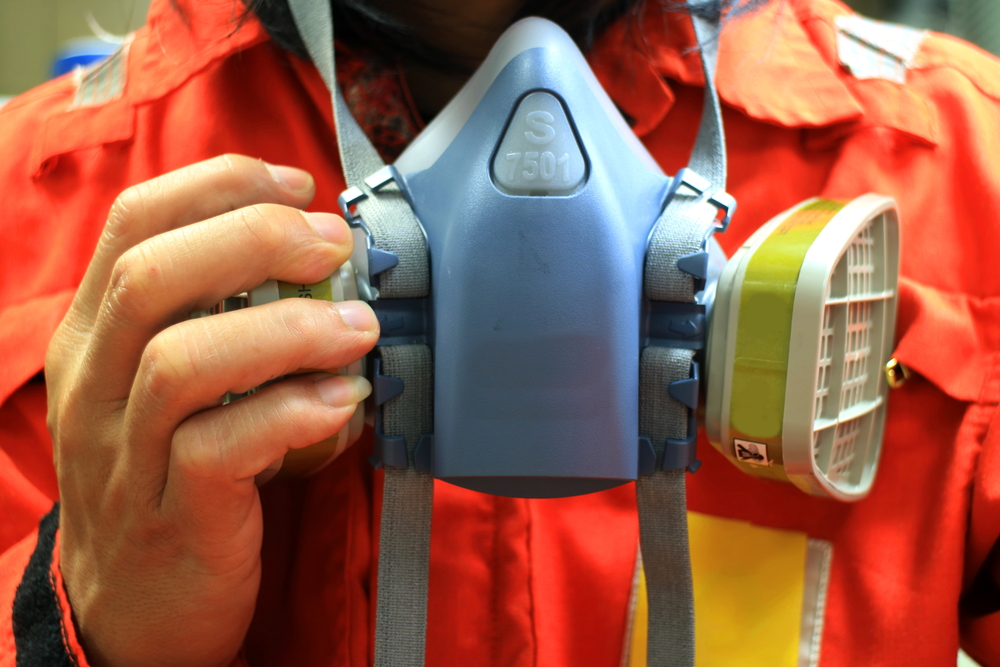
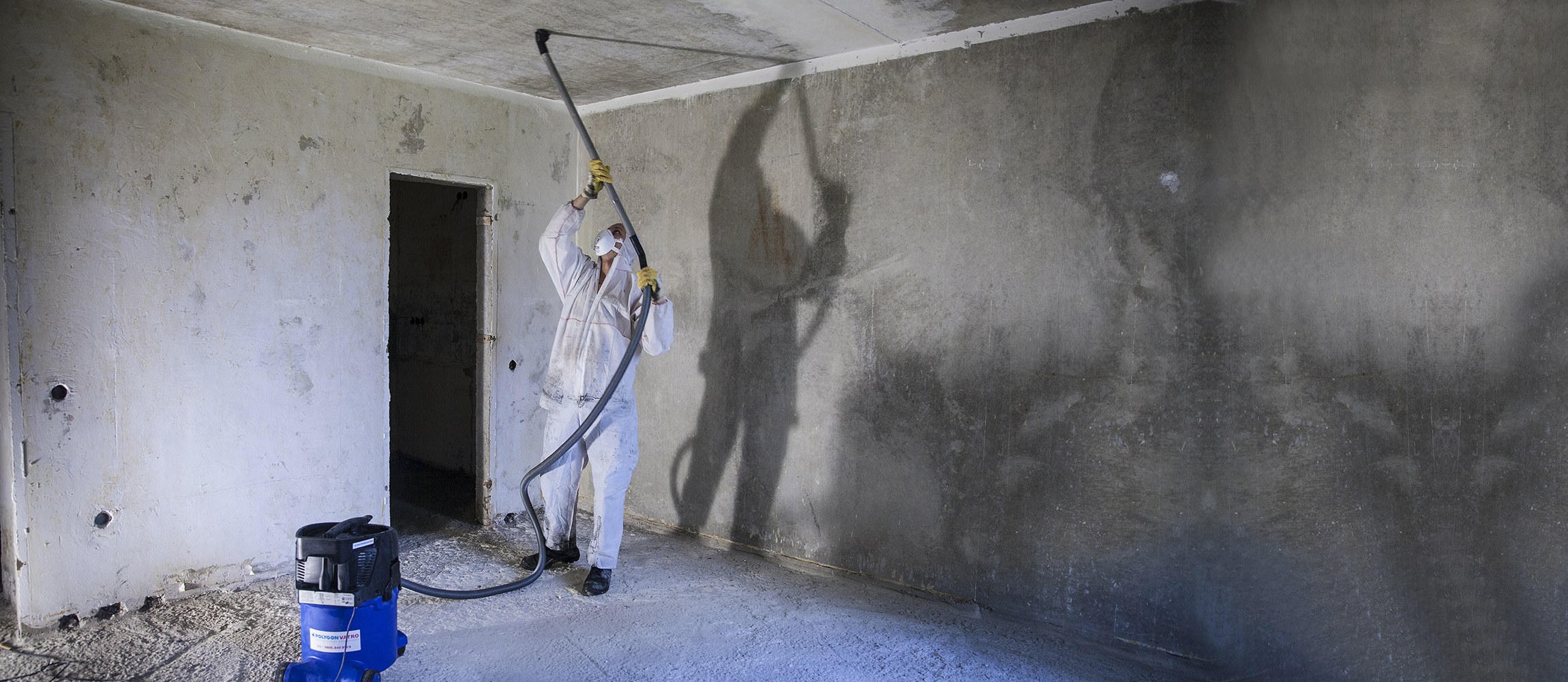
Silica is a naturally occurring and dangerous mineral. Breathing it can cause serious damage to the lungs. OSHA has a new standard for construction, general industry and maritime regarding this danger.

Read