Blog

Polygon Keeps Food Safe with Remote Monitoring

Temporary Climate Solutions, Remote Monitoring and Control, Food and Pharma

For most of us, visiting the grocery store is a task we perform without much forethought. In fact, according to the 2016 FMI U.S. Shopper Trends Survey, 94% of us feel safe in purchasing our foods at the market and never consider the possible dangers in the food system. Retail grocery stores, as a result, must be vigilant in maintaining that high level of trust by consistently heading off potential hazards.

Read

Climate Control Solutions Take the Cheese!

Temporary Climate Solutions, Food and Pharma

Cheese is hot. But, not just any cheese—consumers crave specialty cheeses that please their palates. The largest segment of the American workforce—millennials aged 18 to 34—is also the greatest consumer of the diary delicacy. While they don’t earn the highest wages, the young consumers are willing shell out more for specialty, locally-crafted and imported cheeses, making them the first and second largest buyers. The reason for this is because they seek unique items, care about where their food comes from, and like to experiment with new flavors and textures. This is great news for those in the dairy industry, who are seeing boosts of 3 percent or more annually in specialty cheese sales. As small-scale dairies make a comeback thanks to discerning consumers, producers must turn to climate control solutions for the cheese-making to shipping stages to keep their products fresh, flavorful and safe.

Read

Is Our Food Getting Safer Thanks to Climate Control Solutions?

Temporary Climate Solutions, Food and Pharma

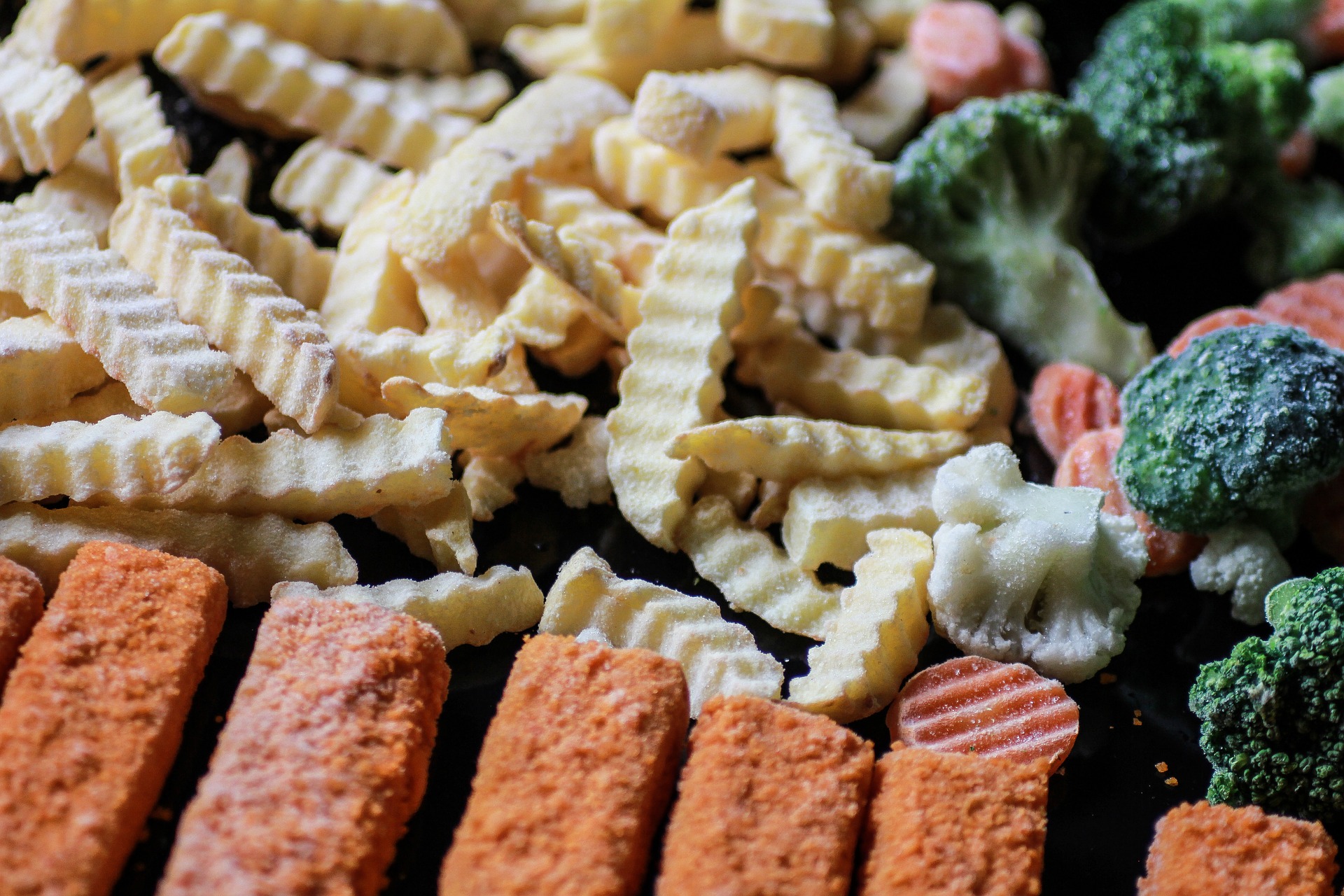
Before the invention of freezer compartments in the 1920s, people depended on ice, holes in the ground and window sills to extend the shelf life of perishable foods. After Upton Sinclair described the working conditions in Chicago’s meatpacking district in his book, The Jungle, public awareness regarding food safety and climate control significantly increased, leading to the Pure Food and Drug Act. When scientists identified that cool, sanitary conditions helped control the outbreak of food-related illnesses, healthier food processing followed. Thanks to continuing advances in climate control solutions and improvements in cold chain processes, modern food systems better ensure the safety and quality of the goods consumers eat and drink.

Read

How are U.S. Cold Chain Systems Growing the Economy?

Temporary Climate Solutions, Food and Pharma

To reach store shelves, perishable items often embark on an extensive journey across states and even continents. Making this all possible are cold chain systems with uninterrupted series of cold storage and food distribution activities. The development of the system opened the doors to new markets in multiple industries, making it an export success. The U.S. food industry spends millions each year on moisture control and climate control solutions that allow businesses to prosper. As a result, cold chain systems are vital to global trade and the availability of food around the world.

Read

Ensuring Successful Productions of Greenhouse Crops

Temporary Climate Solutions, Food and Pharma

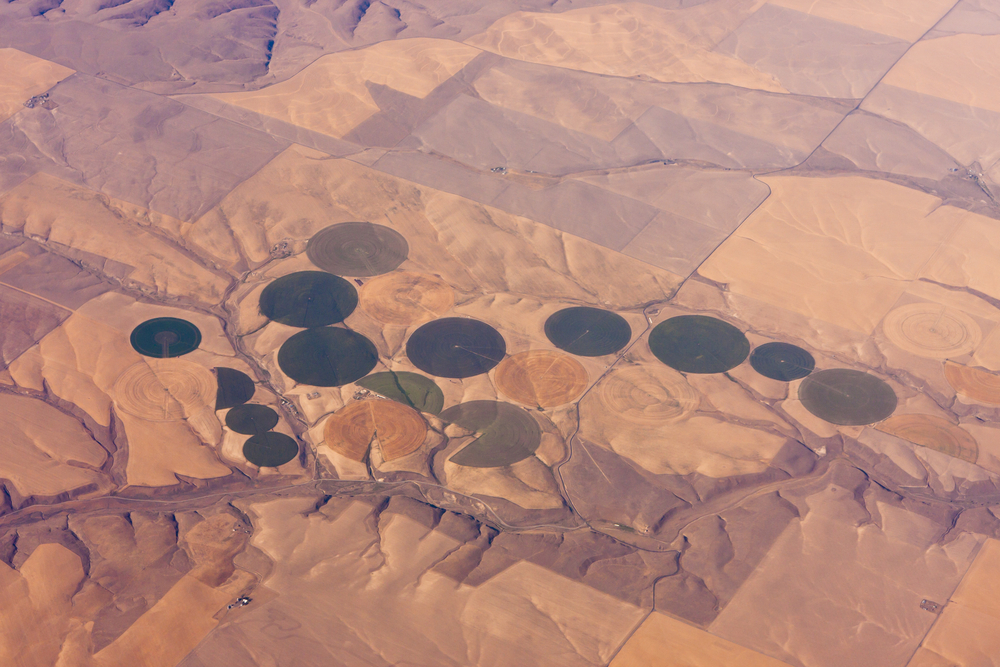
Regions throughout the world are known for their particular crops because of their climate profiles. North America, for example, is a major producer of sugarcane, almonds and strawberries. Western Asia produces rye, barley and wheat. The Middle East grows saffron and cotton. Thanks to technological advances in horticulture and farming, crops no longer have to be limited to their native geographical locations, climates and seasons. A growing number of regions that depend on food imports are becoming more self-reliable with greenhouses that use temporary climate control solutions that mimic the conditions needed to produce a greater variety of crops. The technologies make food and other goods more abundant in regions affected by poor soil and water scarcity, and deliver seasonal crops to consumers year-round.

Read