Blog

How Does the National Archives & Records Administration (NARA) Preserve Historic Documents?

Document Recovery, Document Scanning

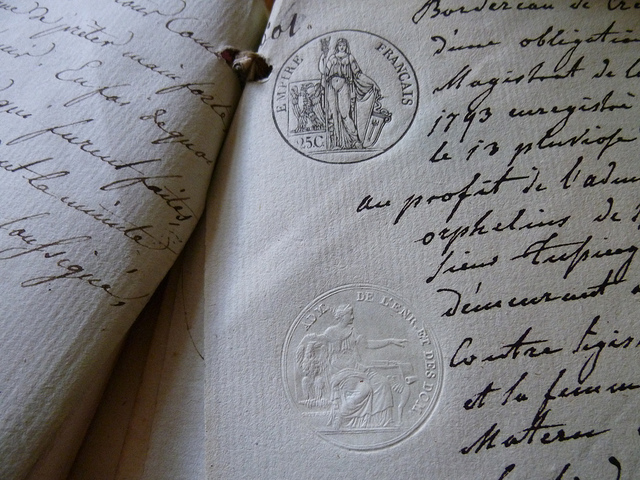
The National Archives & Records Administration (NARA) sets the national standard in regards to document preservation. In 2012, the agency had about 10 billion logical data records and nearly 1 million copies of digitized media. In addition to the two main buildings in Washington D.C. and Maryland (Archives I and II), NARA has affiliated facilities and regional facilities throughout the U.S., and also maintains the Presidential Library system. The media that NARA maintains include still pictures, paper documents, maps, books, motion pictures and electronic media.

Read

5 New Years Resolutions: Protect Your Documents

Document Recovery

Do you have a recovery plan for your vital records? Resolve to be Ready in 2015 with our top 5 tips for Document Recovery. Check out our suggestions for New Years Resolutions you can incorporate into your Documents Preparedness Plan this year.

Read

Is Seasonal Humidity Change Damaging Your Important Documents?

Disaster Preparedness, Document Recovery, Temporary Climate Solutions

If your organization stores paper documents, it’s vital to consider how seasonal humidity may affect your document preservation efforts. Without proper temporary climate control solutions, the weather can negatively affect and damage paper documents.

Read

The Importance of Temporary Climate Control for Metal Museum Artifacts

Document Recovery, Temporary Climate Solutions

Preserving metallurgical artifacts with temporary climate control solutions is vital to minimizing conditions that cause damage, such as corrosion, tarnishing and pitting. Since metals have differing valences, their storage requirements also differ, making climate control technologies essential to their preservation.

Read

What is Electronic Document Management and Why Do Government Agencies Need It?

Document Recovery, Document Scanning

Document management makes accessing critical information quick and simple, as it provides a single point of access. With the addition of document scanning, a government agency becomes better equipped to manage, collaborate, create and distribute information. As the number of government documents continues to increase, a management system unifies paper and electronic files, allowing an agency to modernize, experience higher levels of efficiency and keep records secure.

Read