Blog

Climate Control Plays Key Role in Data Centers, Whether Data is “Old” or “New”

Temporary Climate Solutions

Nearly everything we do these days generates data. Each time we go through the checkout line, click on a link, or use an app, we contribute to the flood of information inundating businesses and data centers across the globe. Once smart appliances and autonomous cars become mainstream, we’ll soon be able to add driving and opening the refrigerator to that list.

Read

No Spore Left Behind: Keeping Universities Mold Free

Construction Drying, Mold Damage, Temporary Climate Solutions

Mold can be a problem in any building, but at a university, it can be particularly serious. However, testing buildings for mold, particularly on a large busy campus, can be time-consuming, expensive, and unreliable. Since the best defense against a mold problem is prevention, or at least early diagnosis, a comprehensive maintenance and remediation plan is a must to keep students safe, and buildings operational.

Read

Climate Controlled Pharmaceutical Labs Deliver New Antibiotics

Temporary Climate Solutions, Food and Pharma

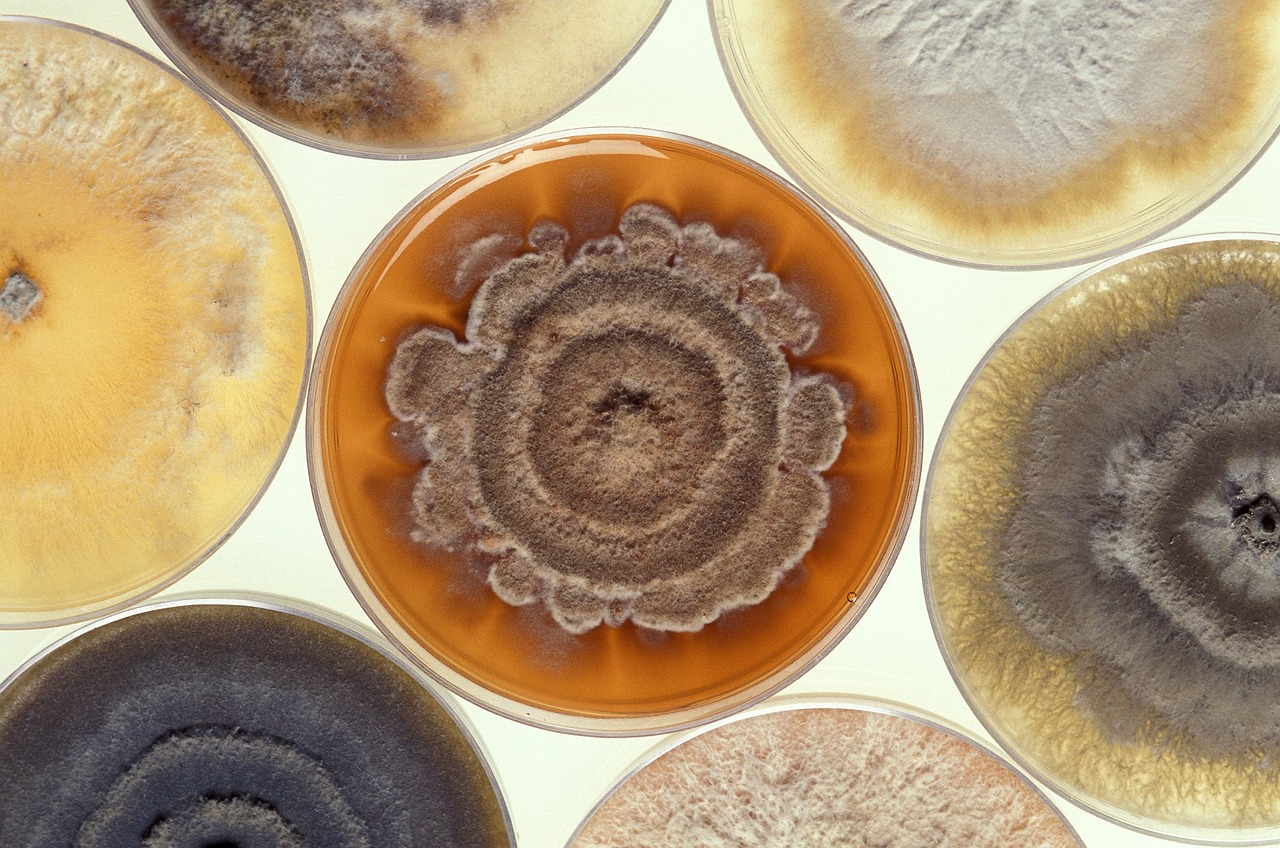
Nearly a century after scientists first used mold to kill bacteria, the discovery of penicillin remains the most important medical breakthrough in world history. When asked to list technology’s biggest advancements since the wheel, experts ranked penicillin third only to the printing press and electricity.

Read

King Tut, Museum Storage & Climate Control Solutions

Temporary Climate Solutions

After three thousand years sealed in a tomb, King Tut’s sandals are looking a bit worse for wear. It doesn’t help that they’ve spent the past century deteriorating in the basement of a museum.

Read

Climate Control a Hot Topic for Desert Farmers & Food Industry

Temporary Climate Solutions, Food and Pharma

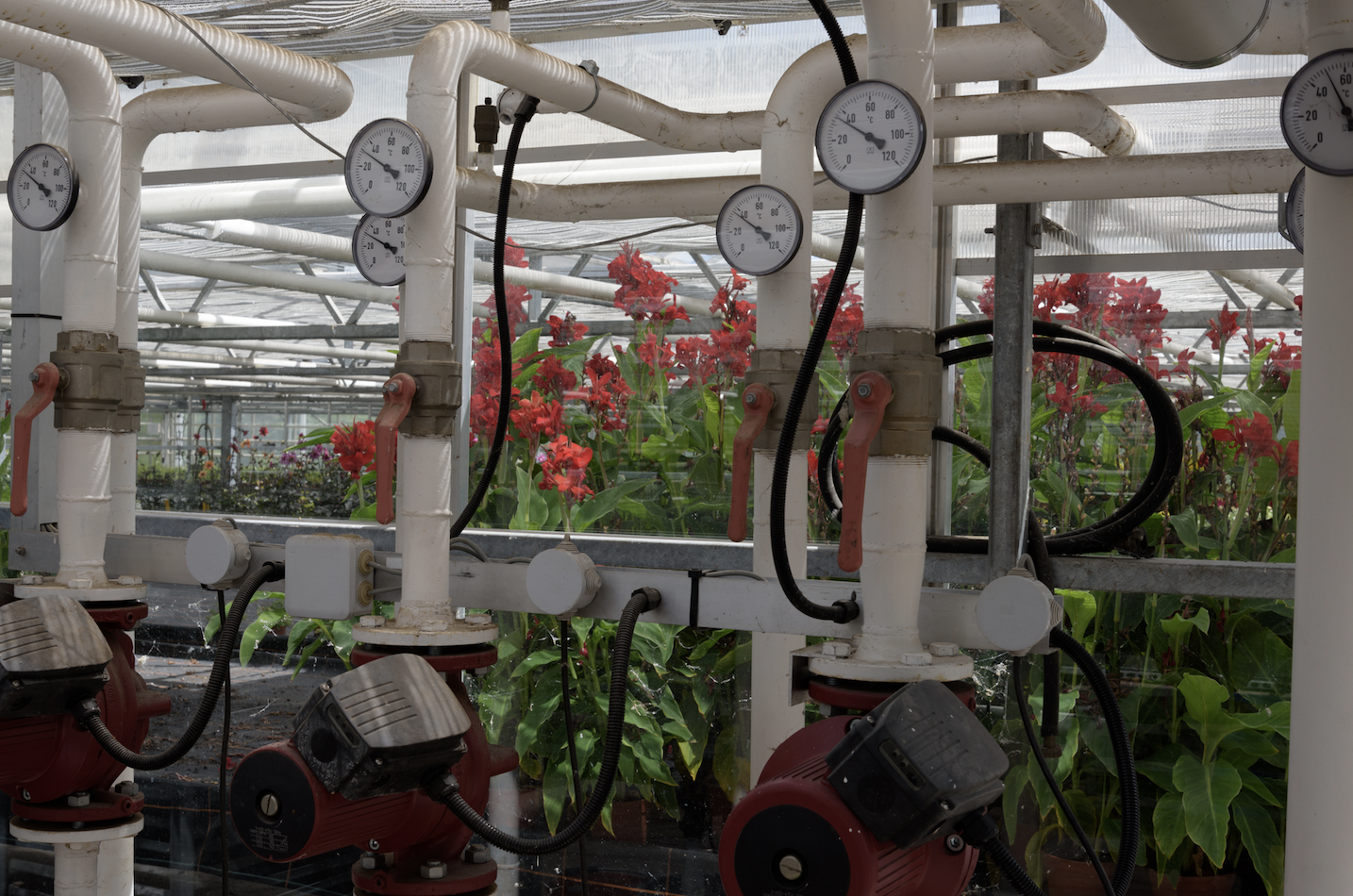
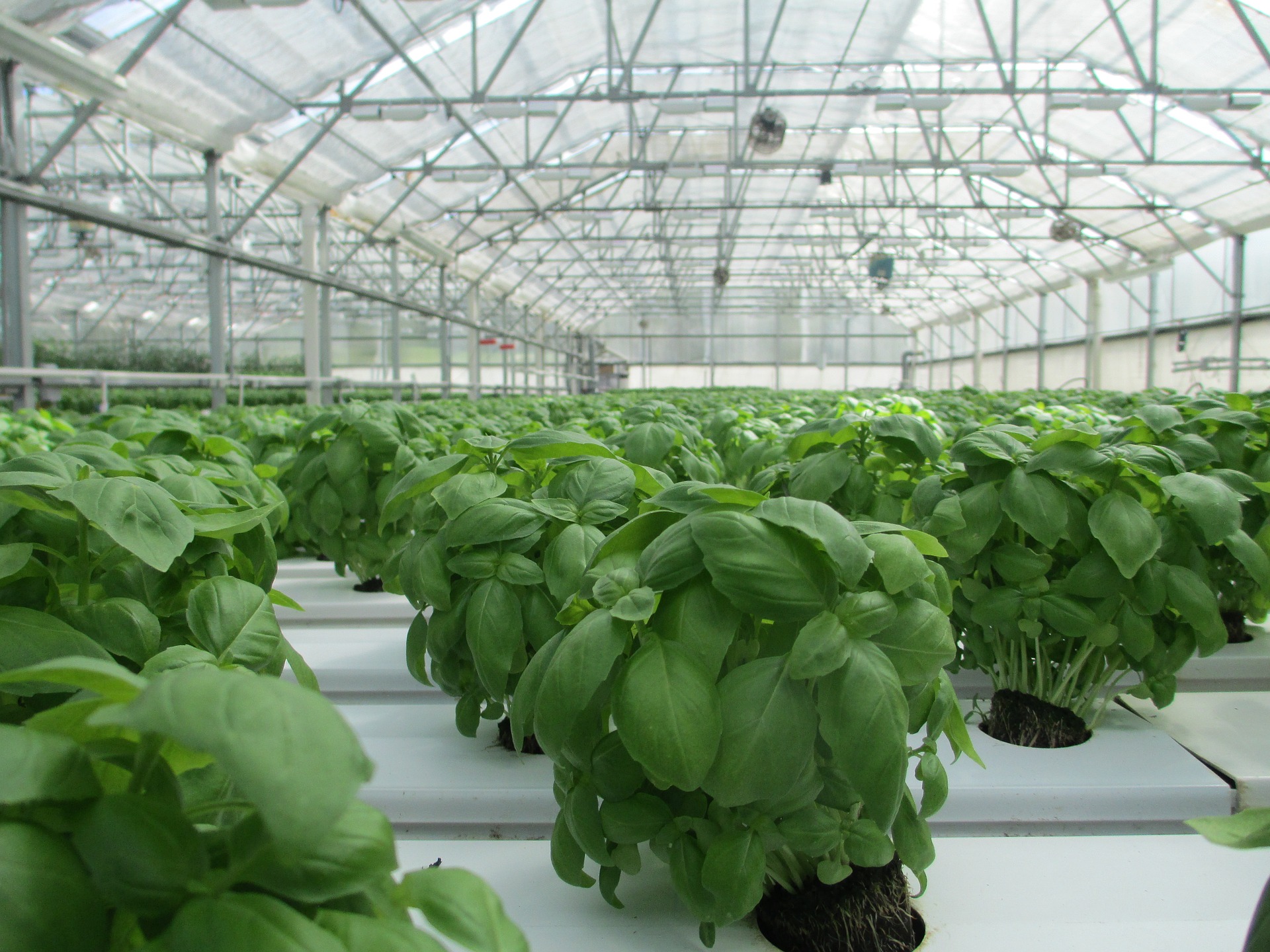
Imagine a future in which water is dwindling and farmers must harness technology to coax food from the arid soil—one in which high-tech greenhouses dot the desert, solar panels desalinate saltwater for agricultural use, and farmers monitor their crops via satellite. That future may not be as far off as you think. In some places around the world, it’s already happening.

Read