Blog

What is the Air Quality Index?

Temporary Climate Solutions, Remote Monitoring and Control, Indoor Air Quality

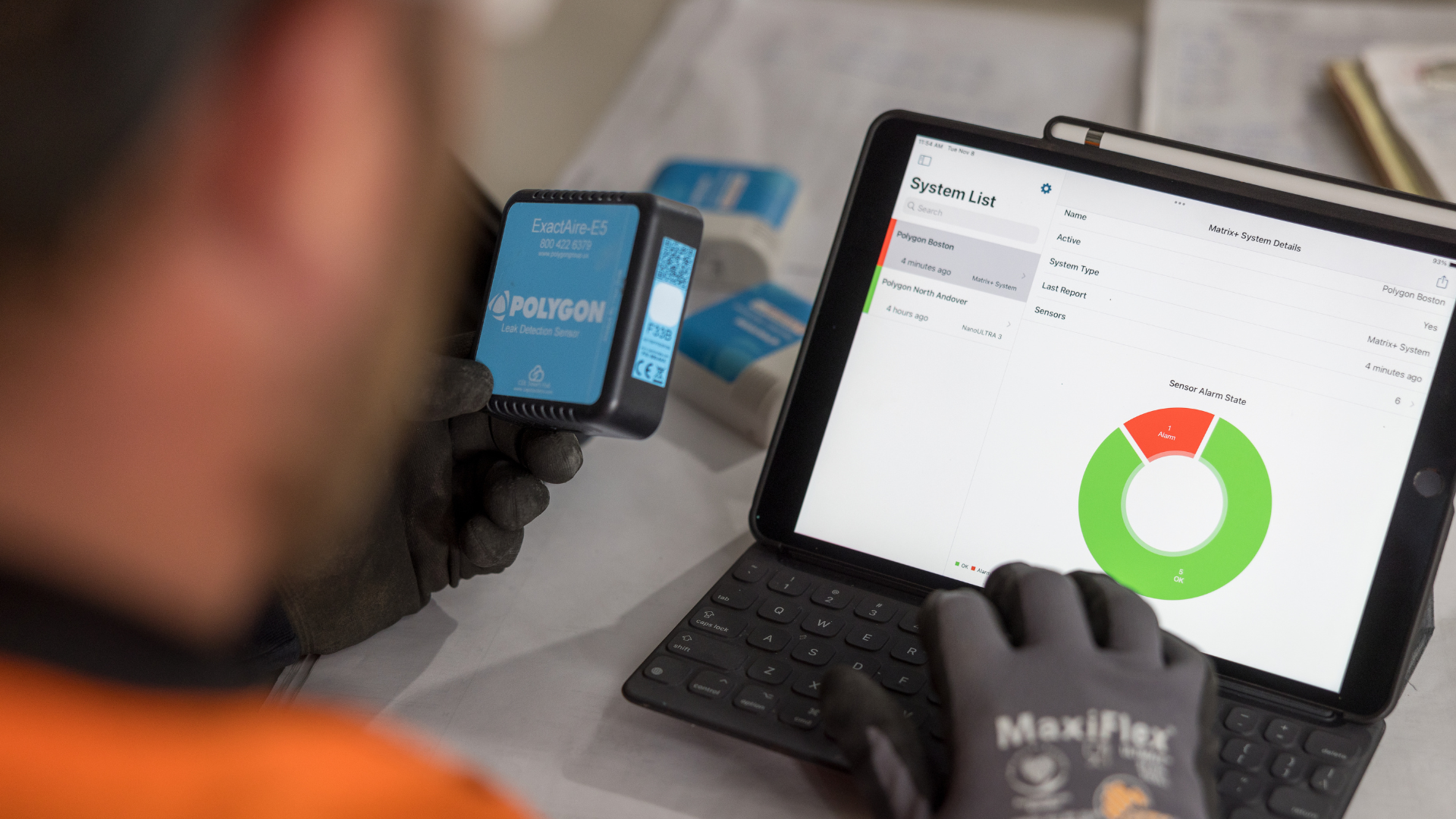
We all know good air quality is good and bad air quality is bad. But how can people operating businesses and managing facilities understand air quality levels in and around their working space? In this article, we will explain the US EPA Air Quality Index and cover some common air quality questions.

Read

Mastering Moisture: The Role of Vapor Pressure in Wood and Mass Timber Construction

Construction Drying, Temporary Climate Solutions, Remote Monitoring and Control

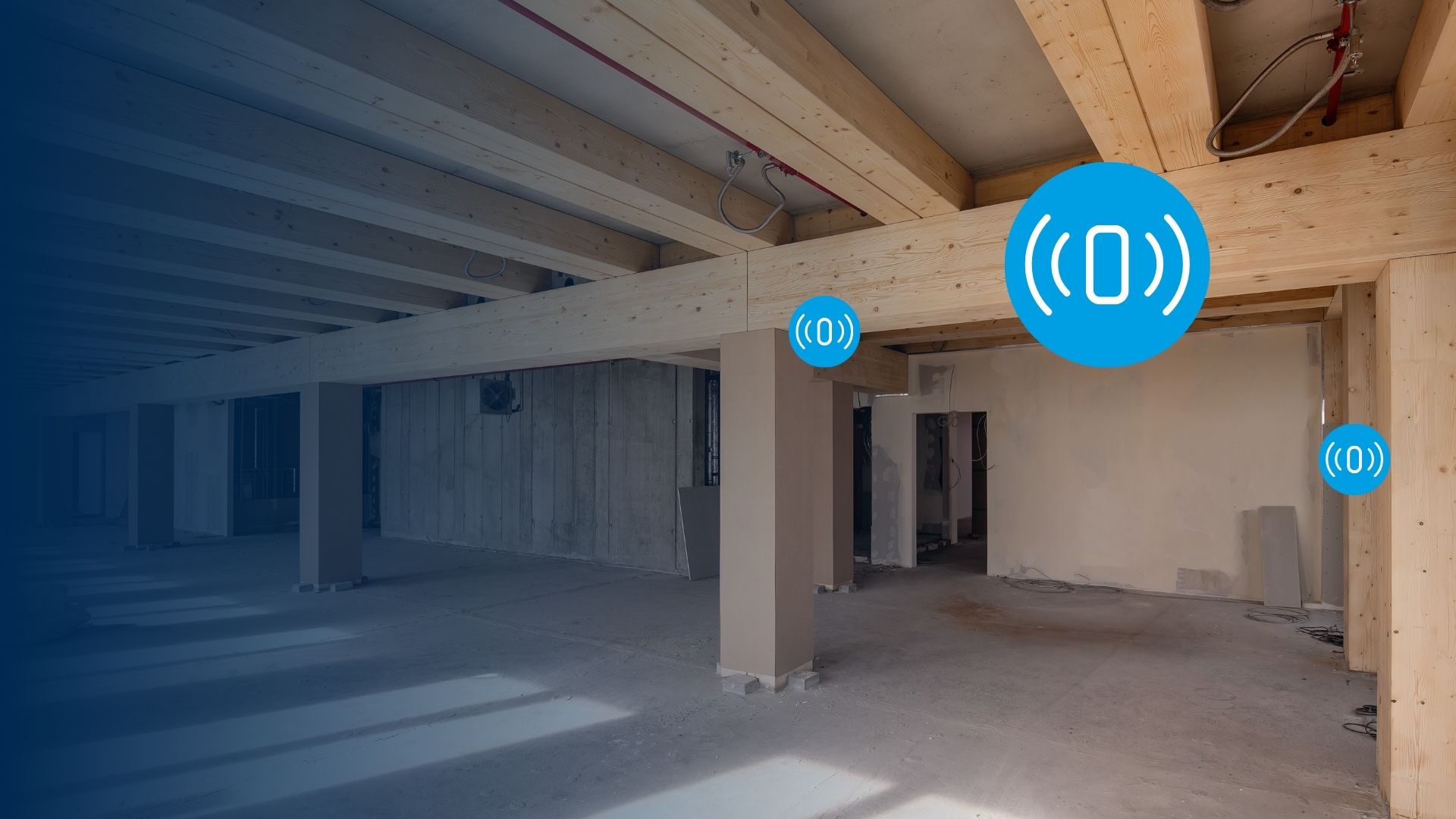
Wood and mass timber construction have gained significant traction in recent years due to their sustainability, aesthetic appeal, and structural versatility. However, these building materials come with unique challenges, particularly concerning moisture management and wood moisture content.

Read

Optimizing indoor conditions for gummy manufacturing

Temporary Climate Solutions, Remote Monitoring and Control, Food and Pharma

Consumer demand for gummy vitamins and nutraceuticals has accelerated in the last 5 years. According to ReportLinker’s report, “manufacturers are capitalizing on expanding their sales by focusing on innovative product formulations”. With new options come production challenges as facilities are tasked with simultaneously increasing volume and controlling quality. One area of opportunity and risk is managing humidity levels to support and optimize processes.

Read

Polygon releases ExactAire Virtual Sensor Reporting

News, Remote Monitoring and Control

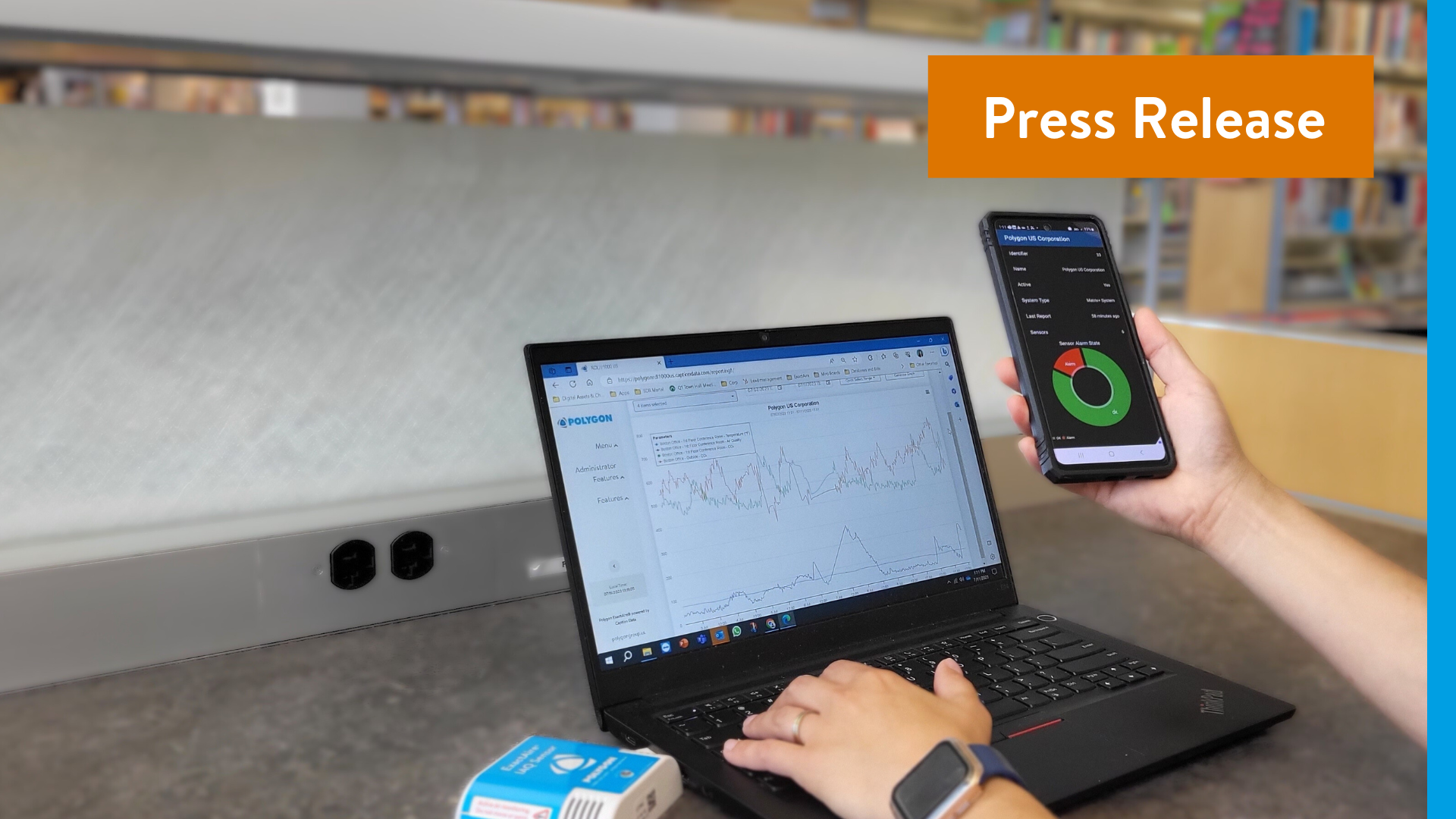
[PRESS RELEASE] Boston, December 5, 2023 - Polygon, one of the largest global Property Damage Control and Temporary Climate Solutions providers, is pleased to announce the release of new virtual sensor reporting capabilities for its ExactAire line of sensors and IoT service.

Read

How Does the Food Industry Remain Compliant with USDA Standards?

Temporary Climate Solutions, Remote Monitoring and Control, Food and Pharma

The United States Department of Agriculture (USDA) reported that the value of food loss in 2010 was about $161.6 billion. The agency stated that inadequate climate control is among the top causes of these losses, which amounted to about 1,249 calories per person per day. With temporary climate control solutions, food manufacturers can reduce food loss and improve safety by remaining compliant with USDA standards.

Read