Blog

Back to School. What Happens When You Find Mold?

Disaster Preparedness, Disaster Recovery, Document Recovery, Document Scanning, Mold Damage, Indoor Air Quality

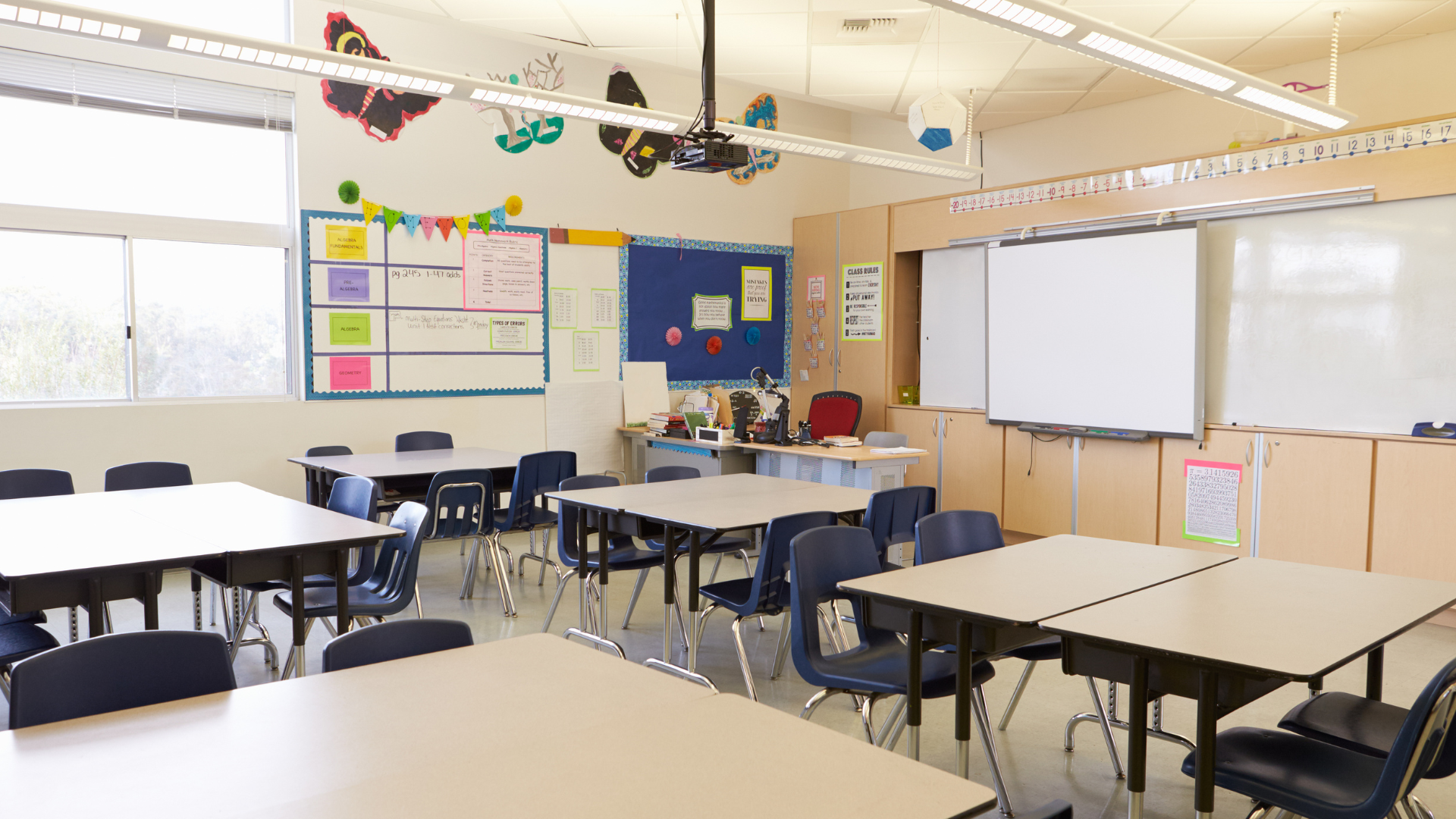
As educators return to school after summer break, they may discover more than empty classrooms and forgotten supplies. A musty smell, warped books, stuck-together pages, and visible mold are signs that items were exposed to moisture. Schools should reconsider simply throwing away materials. Here’s what you can do.

Read

Smart Leak Detection for Safer Collections

Catastrophe Response, Disaster Preparedness, Disaster Recovery, Document Recovery, Document Scanning, Fire and Smoke Damage, Mold Damage, Water and Storm Damage, Remote Monitoring and Control

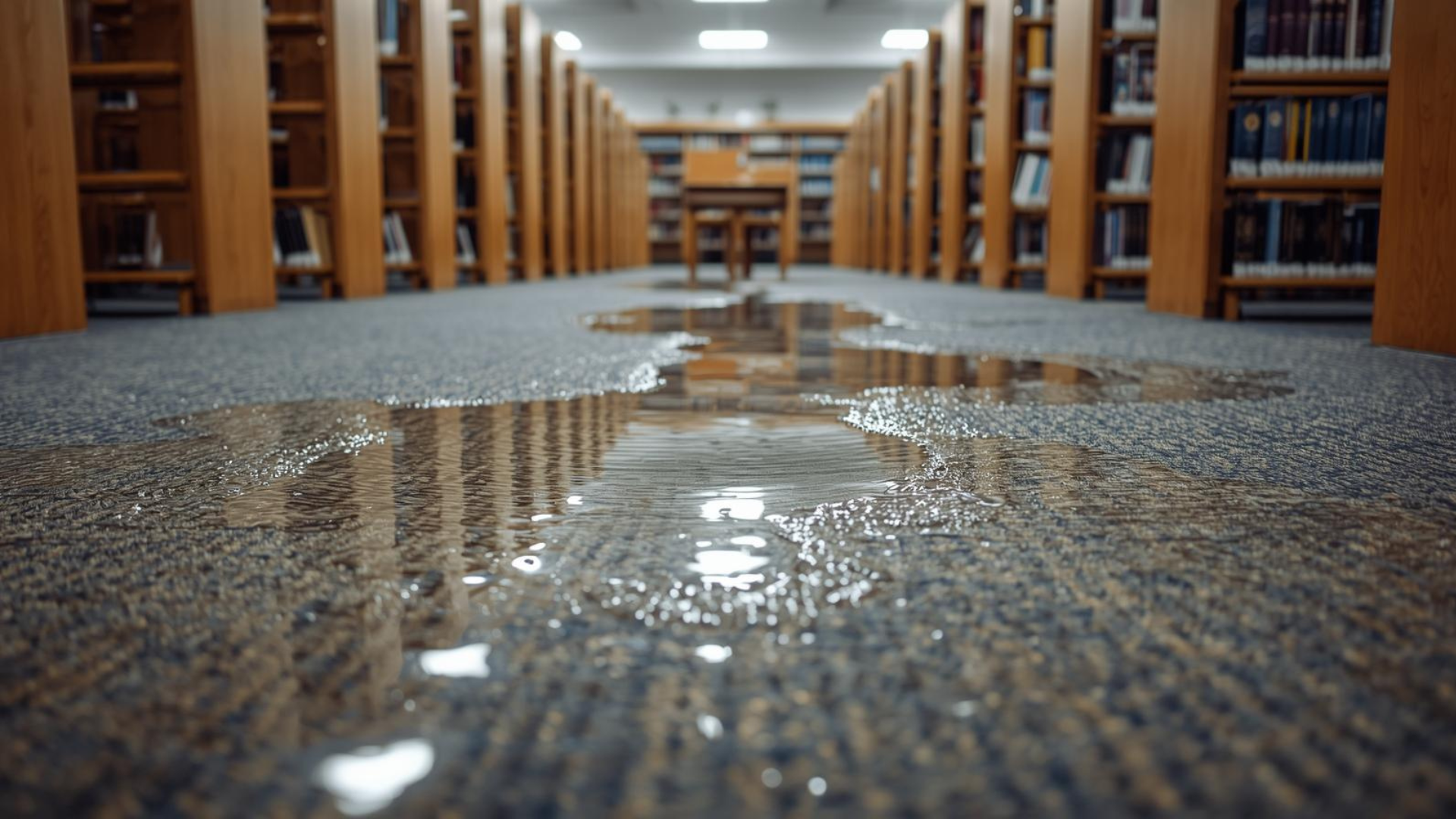
When temperatures drop, archives, libraries, and records storage facilities face hidden risks that extend beyond cold air and low humidity. Frozen pipes and sudden bursts can release hundreds of gallons of water in minutes, threatening the safety of irreplaceable files, books, and archival materials. For organizations responsible for preserving cultural heritage and critical records, a proactive approach to water management can mean the difference between minimal disruption and a devastating loss.

Read

The Silverfish Menace: Protecting Books and Paper Documents

Document Recovery, Document Scanning

Silverfish, small wingless insects, pose a significant threat to archived documents. These pests thrive in dark, damp environments and have a particular appetite for starchy materials, making paper, book bindings, and even photographs prime targets. As they feed, silverfish leave behind tiny holes, yellow stains, and shed scales, which can damage valuable historical records.

Read

Podcast: Protecting Historical Documents, Art, Literature, and Other Important Cultural Artifacts

Catastrophe Response, Disaster Preparedness, Disaster Recovery, Document Recovery, Document Scanning, Fire and Smoke Damage, Mold Damage, Water and Storm Damage

When the Cathedral Notre Dame in Paris experienced a near-catastrophic fire in April of 2019, it served as a stark reminder that important cultural documents and artifacts, such as original pieces of literature and priceless works of art, could be lost permanently in an instant. Even data preserved on hard drives at a university are potential casualties from an event such as a flood or fire in the server room. How likely is it that these crucial documents are at risk? And what should institutions do to build their facilities’ resiliency from both a proactive and reactive standpoint?

Read

Time: The Most Valuable Resource in Document Restoration

Disaster Preparedness, Disaster Recovery, Document Recovery, Document Scanning, Water and Storm Damage

When your business is affected by a flood or fire, it can be devastating and highly stressful. More than that, such disasters can disrupt operations, especially if important documents are permanently damaged. If documents are damaged by water or fire, they can sometimes be restored or digitized in order to save the information and keep your business on track. But this is only a possibility if businesses have a plan in place for disasters and act fast. Time is the most valuable resource in document restoration.

Read