Blog

Document Scanning Offers Effective Records Management

Document Recovery, Document Scanning

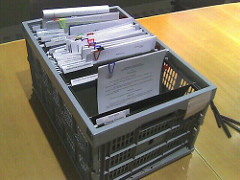
A recent survey of records managers and executives found that there’s a digital gap dividing many businesses from effective records management. The report, conducted by Ole Business Services, found that while 91 percent of businesses have a place to store paper records, just 70 percent have set up an electronic repository. Perhaps this is because most businesses equate document scanning with disaster recovery. Documents are often translated to electronic storage precisely because doing so protects the firm against unforeseen disasters such as flooding and fires. However, there are many other advantages to arranging for document scanning services, as we explore below.

Read

Electronic Medical Records Help Prevent Wet Documents

Document Recovery, Document Scanning

Every generation must navigate technology shifts. Some of us remember the change from typewriters to computer keyboards. Others grew up with landlines but now wield cell phones. Disaster recovery services and the companies we serve face a similar technological shift, from hard copies of important papers to electronic documents. At this point, it is clear that electronic medical records (EMR) will dominate tomorrow’s health world. Here are a few advantages to storing health records electronically, whether in the internet cloud or on remote hard drives:

Read

Document Restoration for Vellum and Parchment

Document Recovery

Most people have heard the terms vellum and parchment, but few know that these writing surfaces were originally made of animal skin. Parchment was originally any animal skin that had been readied for writing, while vellum referred specifically to “paper” made from calfskin. (Calf in Latin is vitulus.) Just as calfskin leather is categorized as a superior form of leather, vellum is the highest quality of parchment. Some steps in leather and parchment/vellum preparation are the same (removing hair, for instance), while others are unique. Leather is tanned and limed, while parchment is just limed. This means parchment often reacts to changes in humidity and is not waterproof. Business disaster recovery companies must be cognizant of these properties when providing parchment and vellum document restoration, as explained below.

Read

After Water Damage Comes Mold Damaged Records

Document Recovery, Water and Storm Damage

Some things just go together – peanut butter and jelly, bacon and eggs, and cookies and milk, for instance. Of course, there are also less tasty pairings, such as water damage and mold. Damaged records can easily become more damaged if they are left in a moist area where mold can thrive.

Read

Cover Story: Restoring Damaged Books

Document Recovery

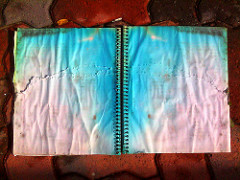
When restoring water damaged documents, including damaged books, freezing is your first priority. Air drying works for smaller quantities of books that haven’t seen extensive damage, but many libraries and historical societies lack the facilities for proper drying. In this situation, freezing within 24 hours – ideally, blast freezing – is best to halt the damage in its tracks. You’ll need to arrange a space for drying or freezing; don’t move damaged books until that restoration location is prepared. Have your supplies all laid out:

Read