Blog

Protecting School Libraries from Mold Damage between Seasons

Mold Damage, Temporary Climate Solutions, Remote Monitoring and Control, Indoor Air Quality

In 2015, a leaky roof and faulty HVAC system at the Mark Twain House & Museum led to a mold infestation that affected at least 5,000 artifacts, including first editions of the famous author’s books, translations and other documents of interest. The institution was not alone with its condensation control problems. In 2016, the Carnegie Library at Mount Vernon closed its doors when it discovered mold.

Read

Maintaining Document Integrity through Seasonal Humidity

Document Recovery, Temporary Climate Solutions

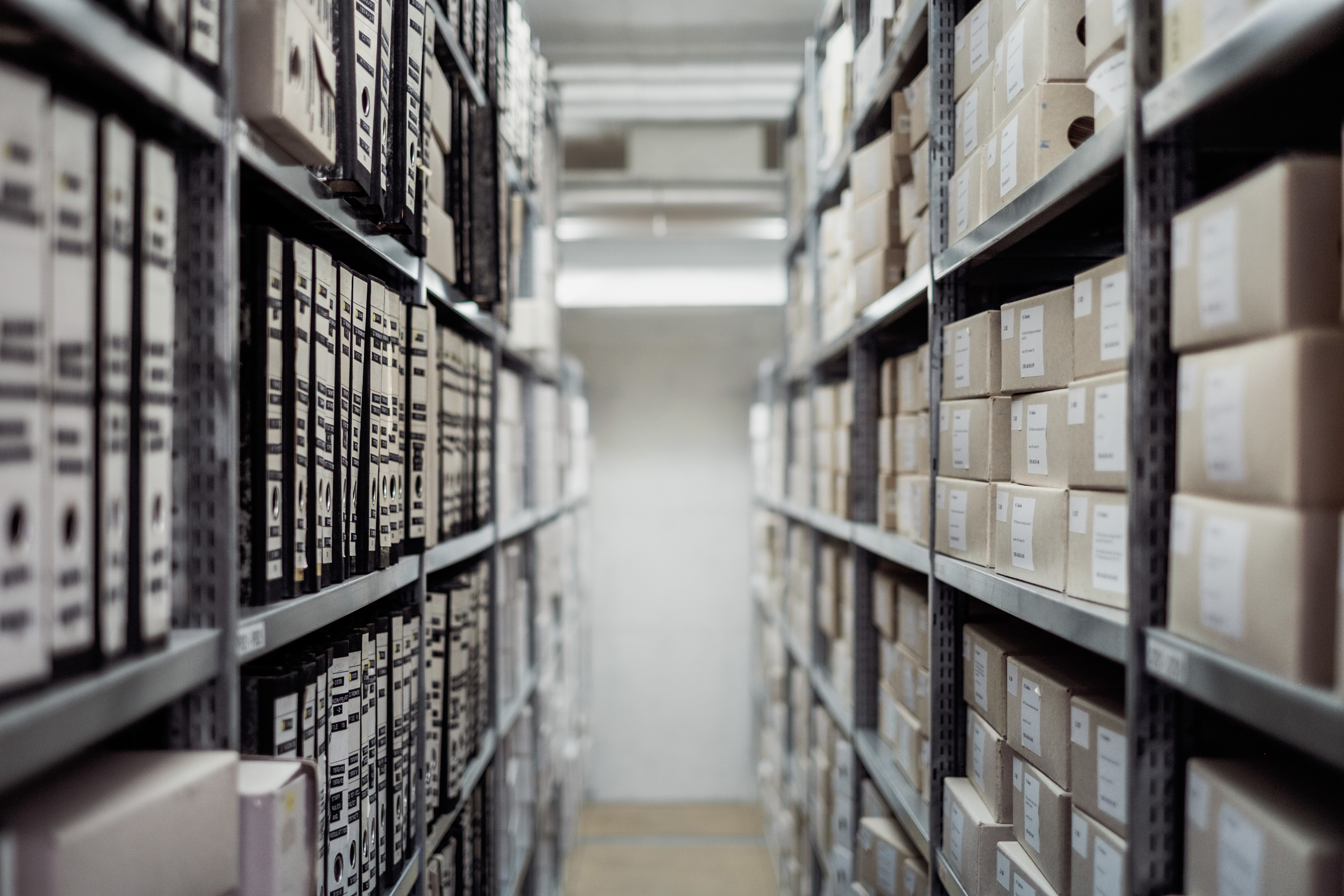
Keeping your archives or stored documents in a temperature-controlled environment is a great first step toward protecting them from the harsh effects of the elements outdoors. If your area experiences seasonal changes or high humidity levels, an HVAC system might not be enough in regards to moisture and condensation control. Regardless of the environment in which you store documents—including files, books, photos and films—planning for seasonal humidity now helps prevent the need for mold remediation services in the future.

Read

What You Need to Know about Keeping Confidential Documents Safe during Recovery

Disaster Recovery, Document Recovery

While almost any contractor with the appropriate document recovery solutions could dry and restore your damaged documents, you should not use just any provider. One of the greatest considerations when choosing a document restoration firm is document security. If your damaged documents contain sensitive information, the contractor you choose should hold itself to the highest security standards. By knowing what measures a restoration company should employ, you will be equipped to select one that protects your best interests.

Read

How Construction Drying Services Can Help Keep Wood’s Integrity

Construction Drying, Water and Storm Damage

When you’re on a deadline, you can’t always wait for wood to season. After you cut lumber to the precise measurements required, it could still expand or contract, depending on the moisture levels and temperatures in the environment. Specialists refer to this phenomenon as equilibrium moisture content, or EMC. By implementing construction drying solution throughout a project, you’ll prevent EMC-related changes and the headaches that follow.

Read

Is Dehumidification or Heat Better in Construction Drying?

Construction Drying, Temporary Climate Solutions

From concrete to wallboard to millwork, materials used to construct buildings absorb moisture. While a small amount of moisture is necessary for materials to cure properly and prevent cracking or distortion, excess amounts pose a variety of risks, including project delays, adhesive and coating failures, and mold growth. To prevent and combat moisture-related problems, contractors look to temporary climate solutions, such as heaters and dehumidifiers. By knowing which process is better for your application, your moisture control efforts will be more effective.

Read