Blog

The Science Behind Flood Damaged Microfiche and Microfilm

Disaster Recovery, Document Recovery, Water and Storm Damage

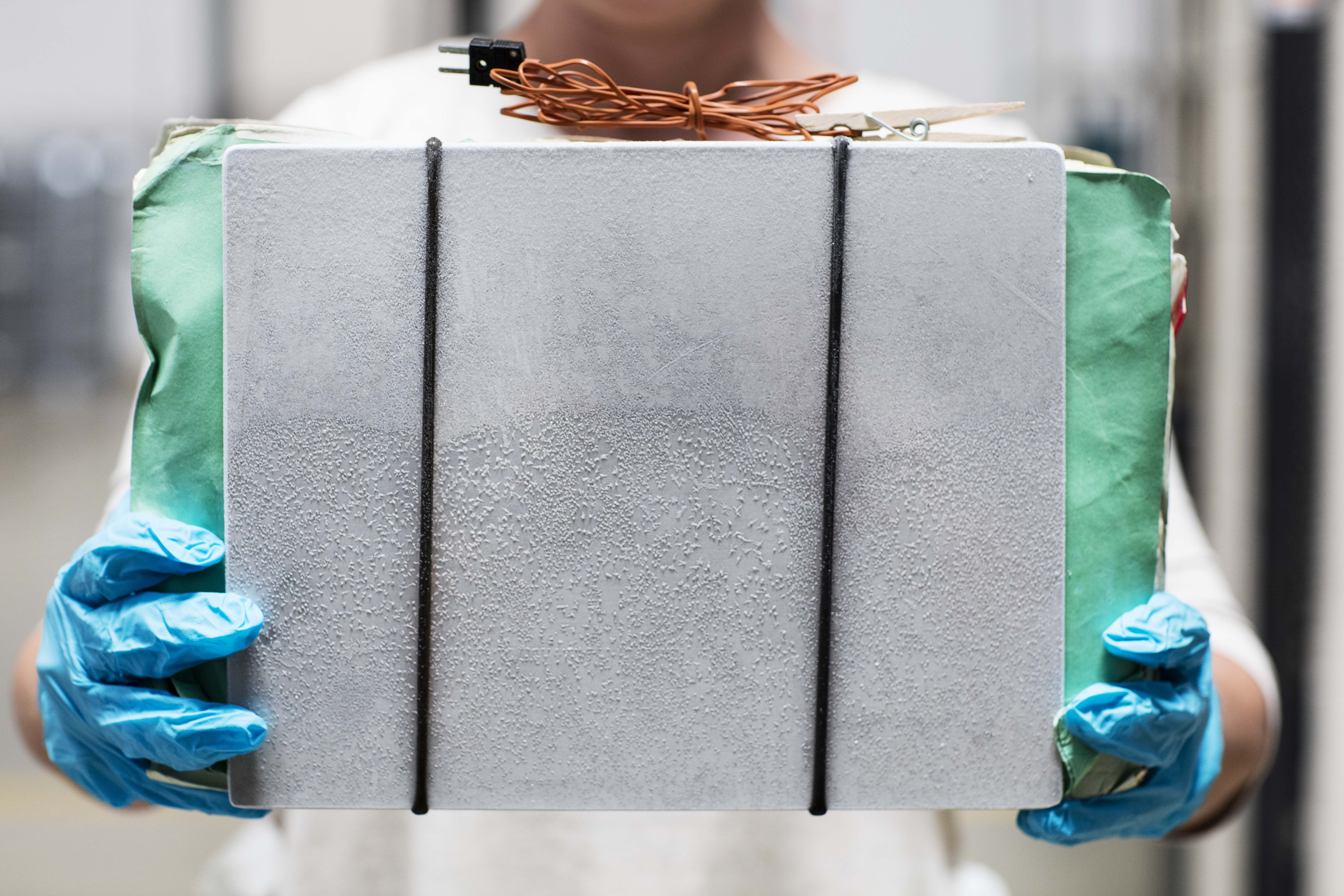
When rolls of microfilm or sheets or microfiche get wet, their base and emulsion are in danger of separating. This is when the image separates from the plastic backing. Without proper water damage restoration, moisture can spread from wet film to dry film because of the resulting humidity, which could also lead to mold damage. The film has a high susceptibility to the effects of water and moisture, and getting them to a document recovery service in a timely manner is critical.

Read

The Importance of Temporary Climate Control for Metal Museum Artifacts

Temporary Climate Solutions

Preserving metallurgical artifacts with temporary climate control solutions is vital to minimizing conditions that cause damage, such as corrosion, tarnishing and pitting. Since metals have differing valences, their storage requirements also differ, making climate control technologies essential to their preservation.

Read

How Food Processing Facilities Should Respond after Flood Damage

Disaster Preparedness, Disaster Recovery, Temporary Climate Solutions, Food and Pharma

Eliminating excess moisture is a battle many food processing facilities face on a daily basis. When an organization experiences flood damage, time and desiccant air drying are important to prevent threats such as condensation or mold. Awareness of the effects of condensation in a facility, and what to do after experiencing flood damage, you can resume normal operations quickly and safely.

Read

Archive Preservation Water & Fire Damage

Disaster Preparedness, Disaster Recovery, Document Recovery

It is essential that businesses, museums, libraries, schools, and other such institutions properly store their most valuable and important business and historical archives. Imagine a world in which all documented information was lost every time an institution experienced a flood, fire, or mold outbreak! Historical texts and other valuable books and documents would never get passed down for future generations to learn from and enjoy. History would have to be constantly rewritten, and society as a whole wouldn’t have progressed as it has. The best way for institutions to prevent document and archive loss is to implement storage techniques that will protect valuable articles against such catastrophes as flood or mold outbreaks.

Read

Ensuring Animal Safety and Comfort with Temporary Climate Control

Temporary Climate Solutions

Just as humans prefer to be in comfortable temperatures, livestock enjoy the same. In general, the animals that live in environments with the ideal temperature and humidity levels are the most comfortable, productive and, consequently, valuable. With the help of temporary climate control solutions, you can provide your livestock with an environment that benefits their health and your bottom line.

Read