Blog

Water Risk Management Strategies for Food Processing Facilities

Temporary Climate Solutions, Water and Storm Damage, Remote Monitoring and Control, Food and Pharma, Manufacturing and Industrial Processing

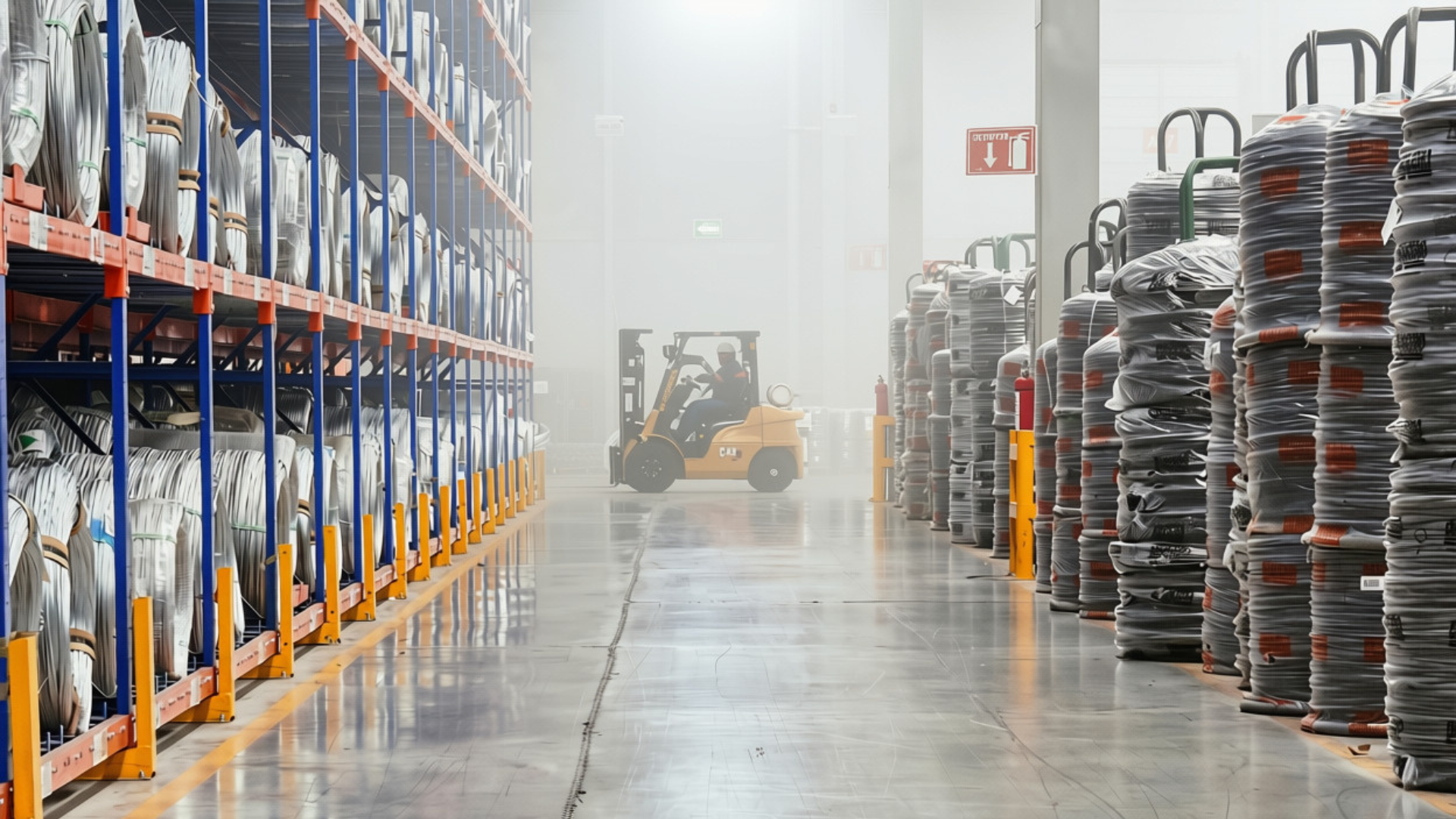
Water is a constant presence in food and beverage operations, so it’s easy to overlook its broader impact. However, how it’s managed can influence both operational efficiency and overall costs. Inefficient use doesn’t just waste the resource itself; it also drives up energy consumption, since pumps, heaters, chillers, and CIP systems all rely on it to operate efficiently.

Read

Peracetic Acid (PAA) and Toxic Gas Risk in Food Processing

Temporary Climate Solutions, Remote Monitoring and Control, Food and Pharma, Manufacturing and Industrial Processing, Indoor Air Quality

Toxic gases are an unavoidable part of food and beverage manufacturing, often tied to essential processes like sanitation and disinfection. When these gases go unmonitored, they can quickly compromise worker safety, regulatory compliance, and production continuity. Among the most critical gases in modern food plants is Peracetic Acid (PAA).

Read

Webinar: Water Risk Mitigation & Tech-Enabled Construction

Construction Drying, Temporary Climate Solutions, Water and Storm Damage, Remote Monitoring and Control

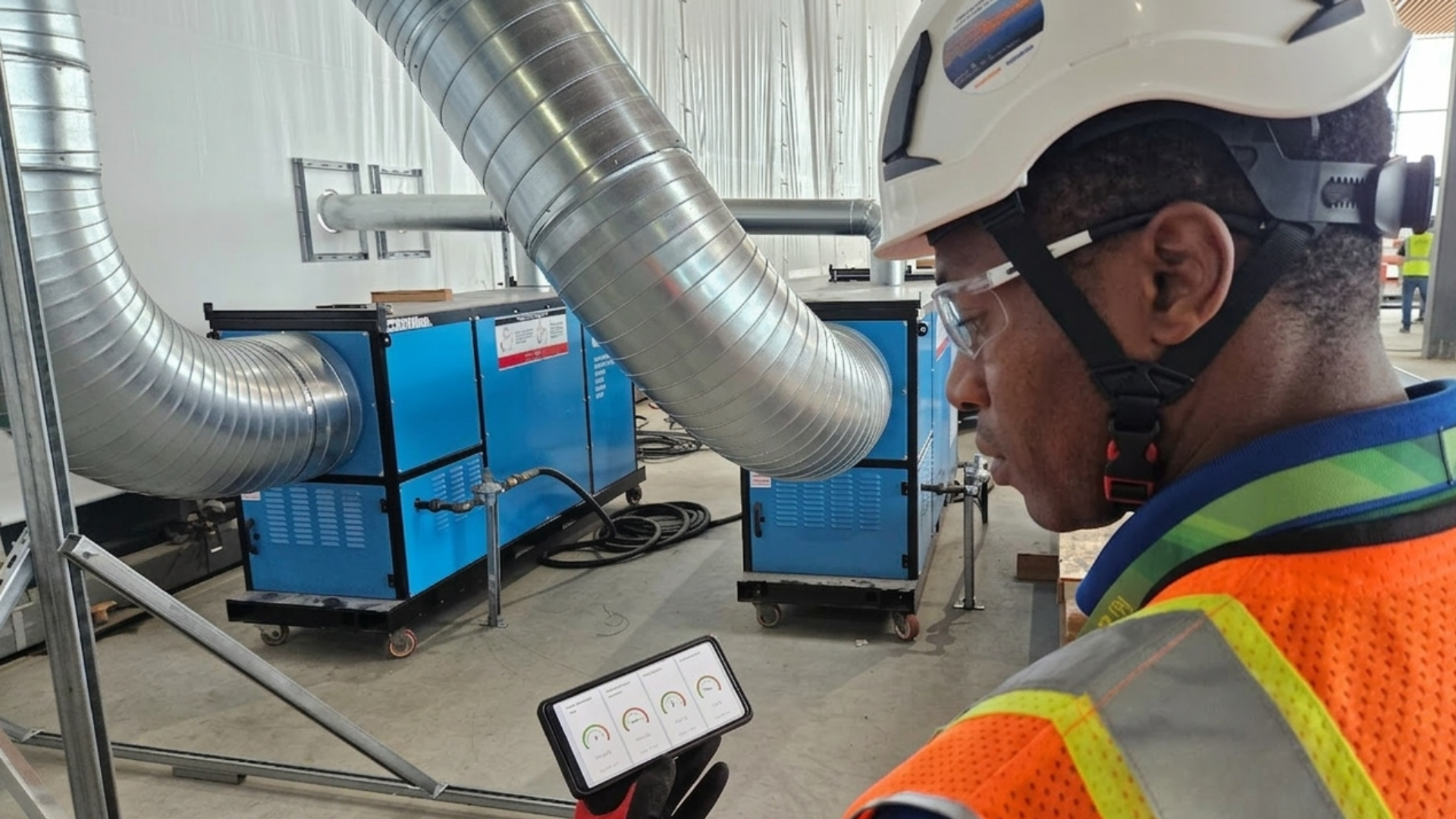
Join leaders from Polygon, AXA XL, and Wint for a fireside chat on the technology helping prevent water damage and mitigate risk on construction sites.

Read

Indoor Air Quality Assessments for Building Commissioning

Construction Drying, Remote Monitoring and Control, Indoor Air Quality

As construction projects near completion, the focus shifts from building performance to occupant health. One critical step before turnover is validating Indoor Air Quality (IAQ) -especially for projects pursuing LEED certification. This is where Polygon plays an important supporting role.

Read

Condensation: Causes and Control in Food Manufacturing

Temporary Climate Solutions, Water and Storm Damage, Remote Monitoring and Control, Food and Pharma, Manufacturing and Industrial Processing

In food and beverage manufacturing, environmental control is directly tied to food safety, regulatory compliance, and operational continuity. Temperature and humidity work together, and when they aren’t properly managed, they create condensation, one of the most common and overlooked environmental risks in USDA-regulated facilities.

Read