Moisture
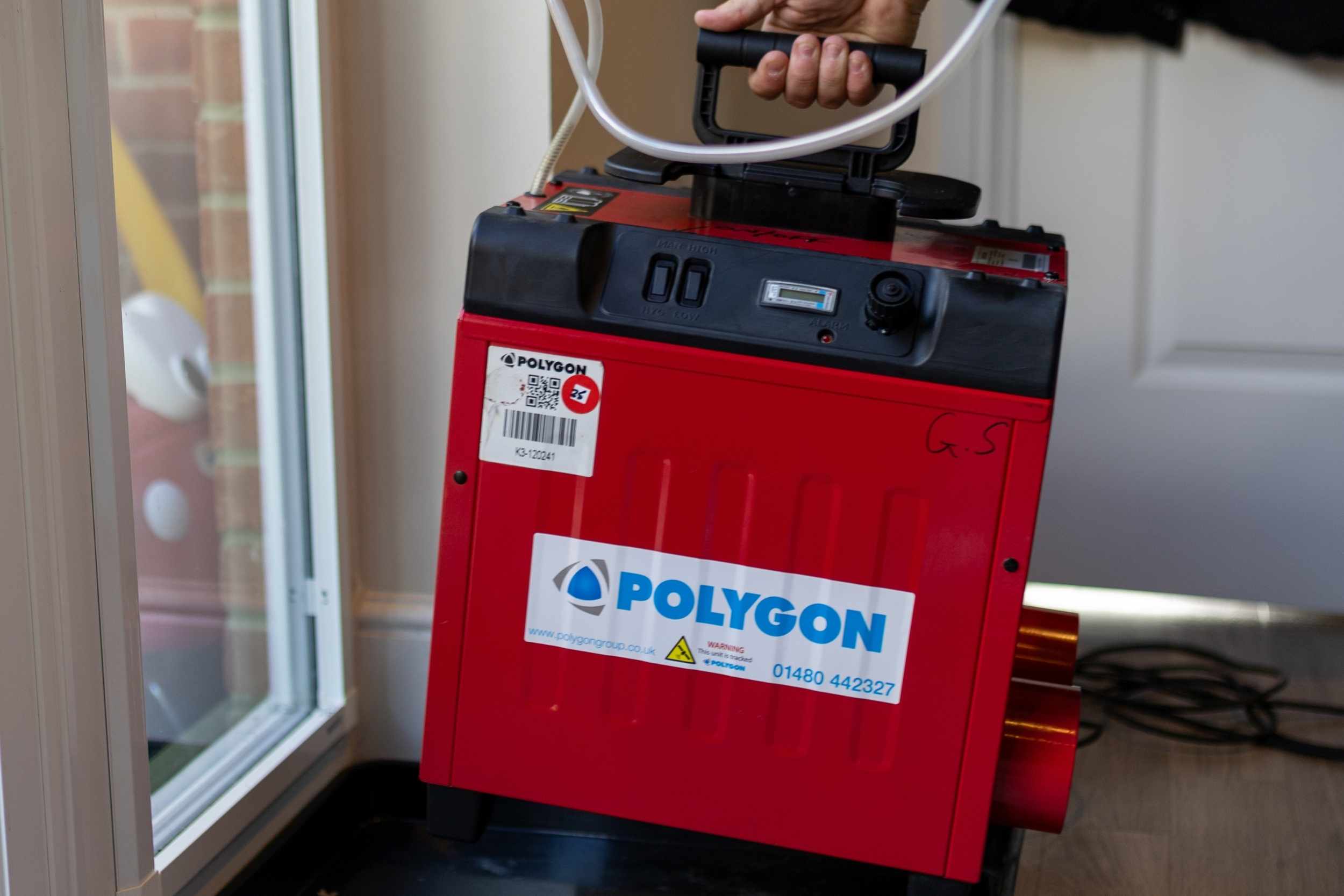
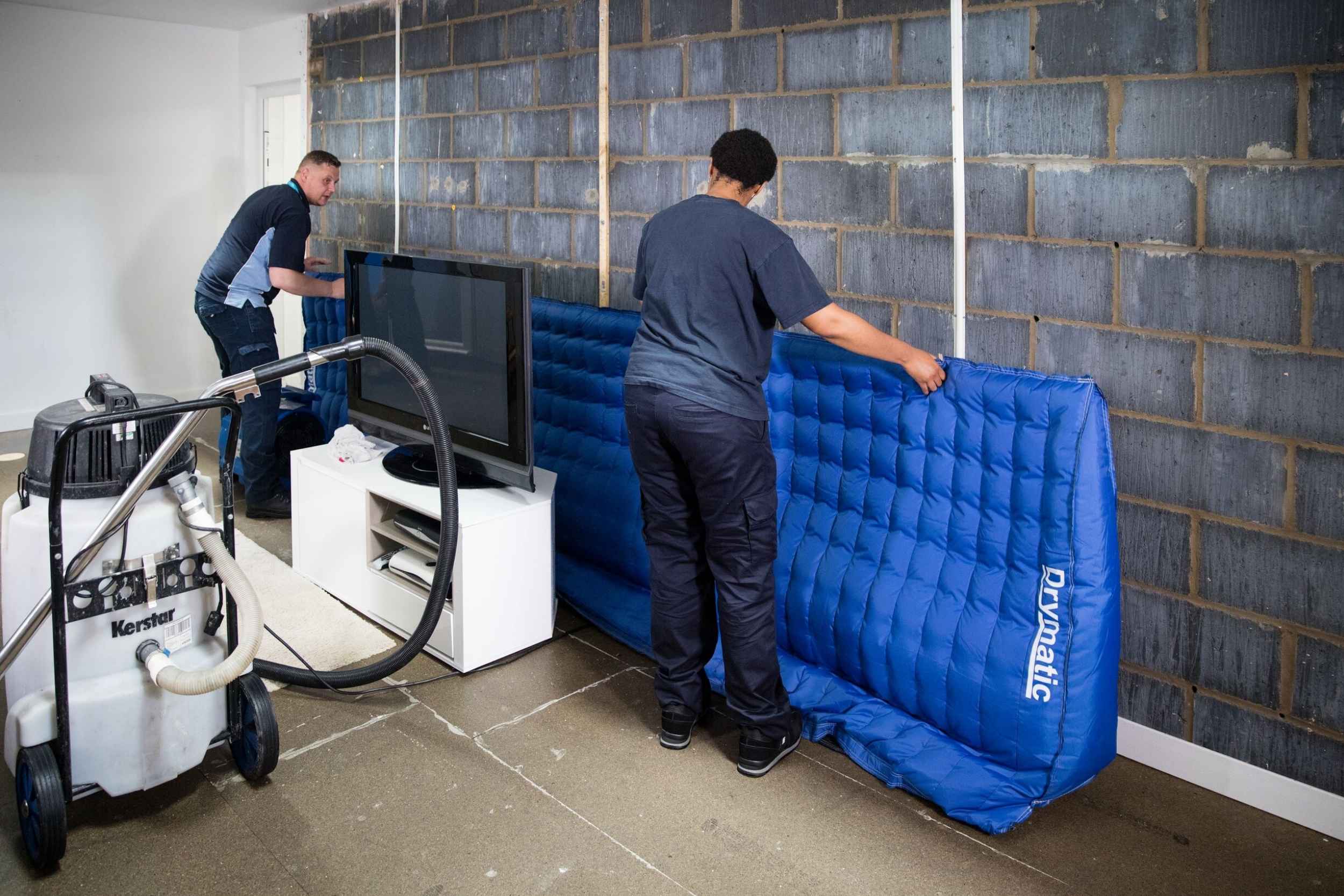
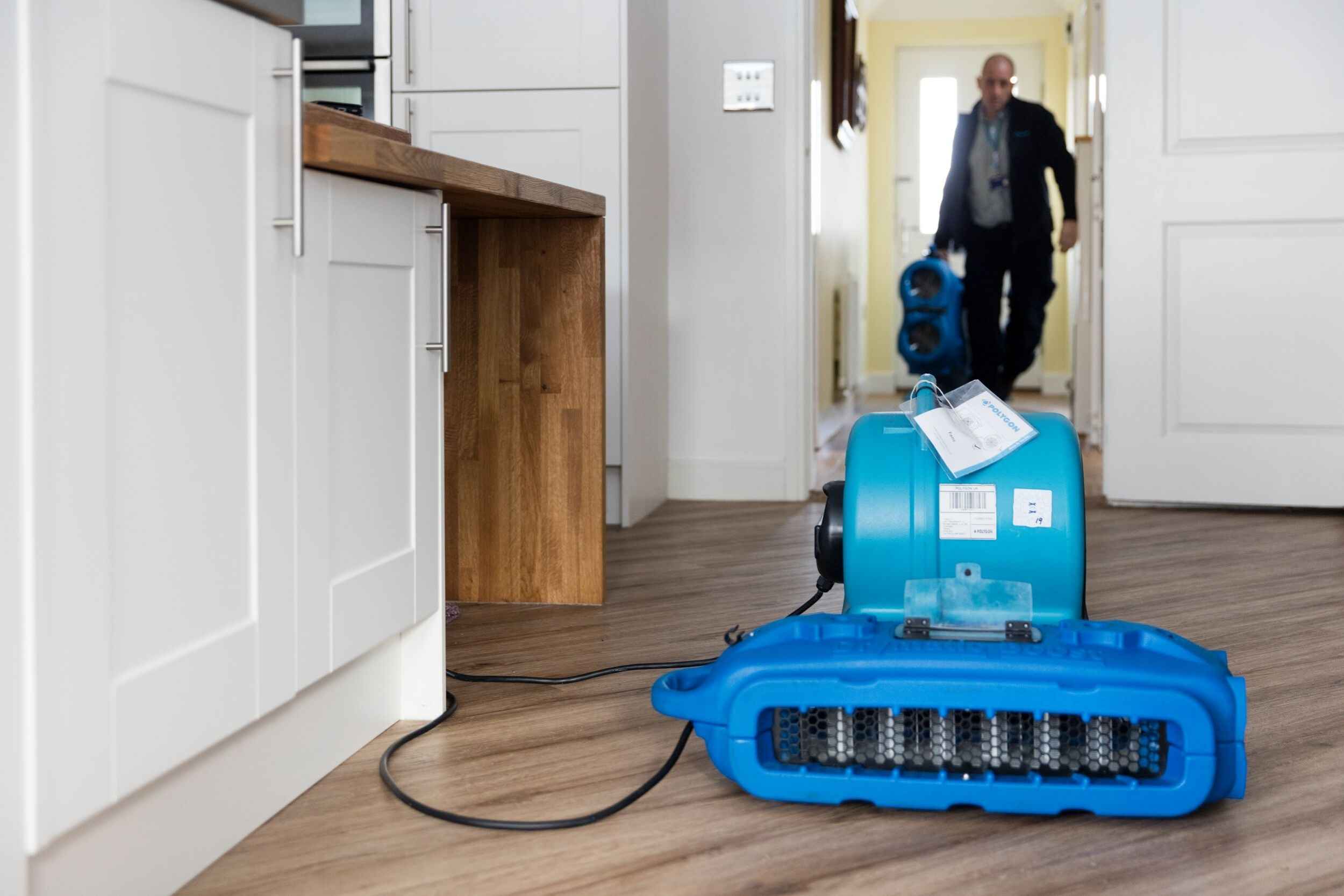
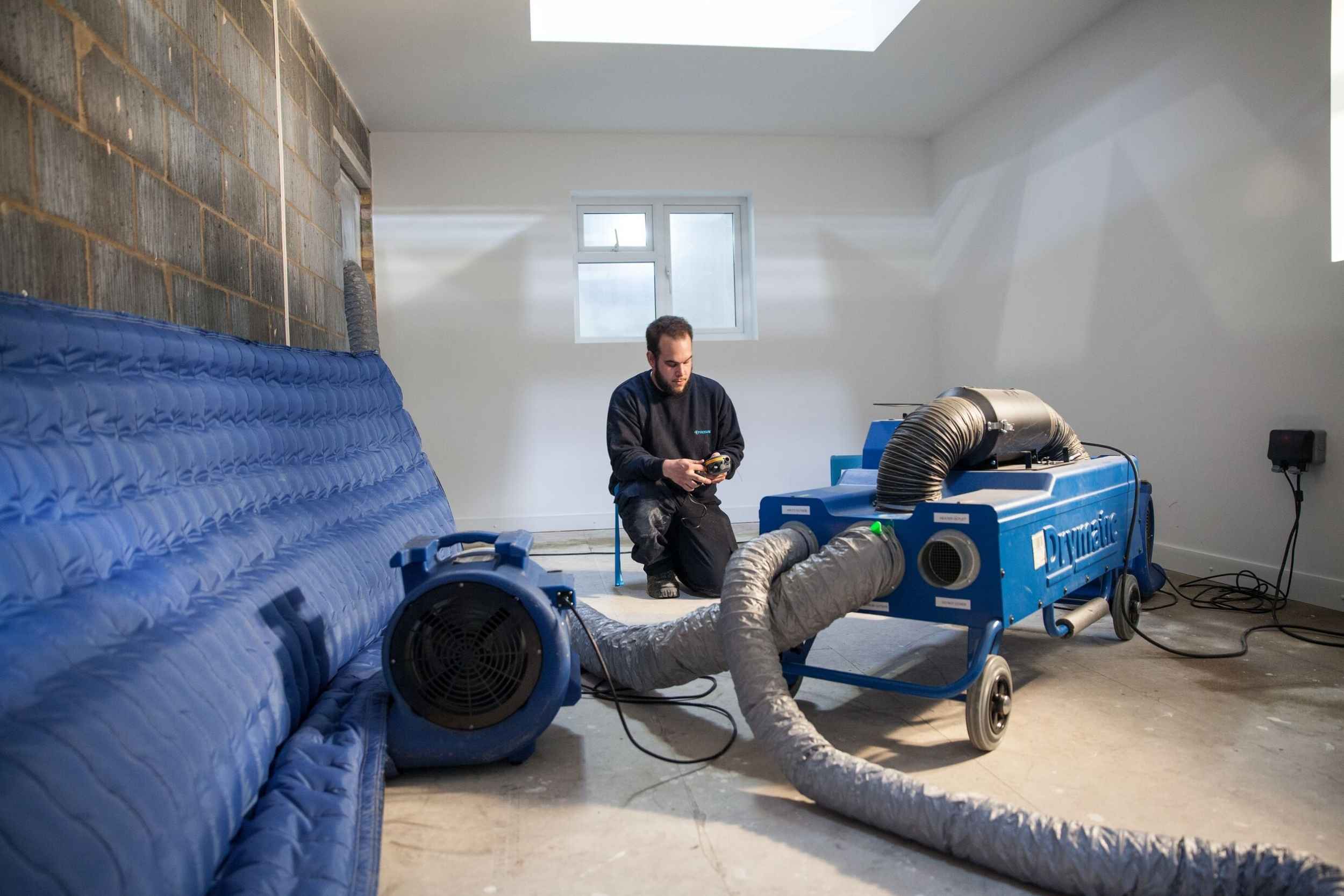
The rate of evaporation is affected by three key factors: air moisture content, rate of airflow and temperature. Addressing each of these areas will maximise evaporation potential, which means: creating a moisture differential between the material and the ambient room condition using an appropriate dehumidification process; promoting air movement to ensure evaporation is not negatively influenced by the boundary layer; and increasing the temperature of both the ambient air (to reduce moisture content) and the material (to encourage the movement of moisture molecules).
Porosity & Permeability
The pore structure and density of a material will affect its ability to absorb, hold and release water and the rate at which water can flow through it. These properties all need to be considered, and they may be further complicated by the presence of additional materials, or coatings, either on the surface, underneath or mixed into the primary material in question. Where coatings with low permeability are present, they should be removed when the material is still wet as the plaster may also need to be removed if they are left to dry.
Remote Monitoring
Sensors can be used to provide constant assessment of drying progress, monitoring temperature and relative humidity among many other things. This data is recorded to provide an audit trail and can be accessed in real-time via the internet to allow for closer monitoring on a remote basis. This ensures equipment use is optimised, secondary damage risks are minimised, site visits are reduced, and drying times are reduced.